
 08024485178
UBEC Distributes 15,675 Learning Materials to Lagos Schools to Improve Basic Education – The Universal Basic Education Commission(UBEC) in joint with the Lagos State Universal Basic Education Board on Thursday begins the distribution of 15,675 teaching and learning materials to public primary schools across the state’s 20 Local Government Education Authorities.
UBEC Distributes 15,675 Learning Materials to Lagos Schools to Improve Basic Education
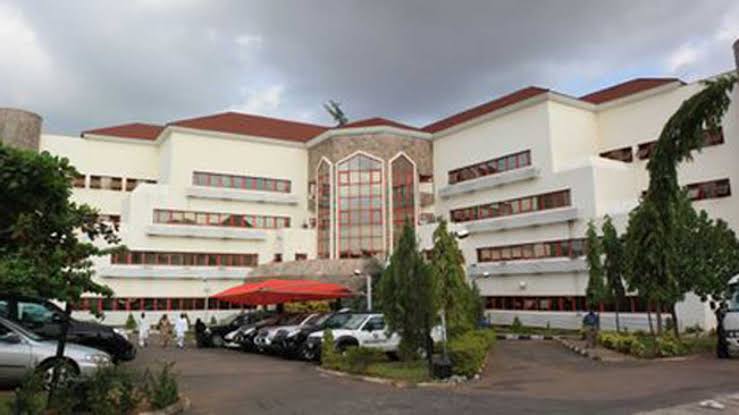
The distribution exercise, which took place at the LASUBEB Multi-Purpose Hall in Maryland, Ikeja, also featured the presentation of HOPE EDU instructional materials to support Early Childhood Care, Development and Education (ECCDE) programmes, as well as Integrated Qur’anic Tsangaya Education schools.
The initiative is part of the nationwide educational materials distribution programme by the Universal Basic Education Commission (UBEC) under the Federal Government’s Renewed Hope Agenda, aimed at enhancing access to quality and inclusive basic education across the country.
Representing the Executive Secretary of UBEC, the South-West Zonal Director, Beatrice Okei, stated that the intervention demonstrates the commission’s continued commitment to ensuring that every Nigerian child has access to quality, equitable, and inclusive basic education opportunities.
Related Post
ISSP Edition 2.0: Apply for the IfeanHealth Scholarship & Scholar Program
She added that the commission was giving out millions of instructional materials nationwide, including school bags, sandals, textbooks, exercise books, writing materials and sports equipment to boost school enrolment, reduce the number of out-of-school children and ease the financial burden on parents.
Okei also praised the Lagos State Government for its continued commitment and investment in strengthening the basic education sector.
He reaffirmed the board’s commitment to ensuring that every child in Lagos had access to free and quality basic education through sustained investment in teaching and learning resources.
He charged education stakeholders, including school administrators, education managers, and teachers, to ensure the proper and effective utilization of the materials, emphasizing that transparency, accountability, and regular monitoring were crucial to guaranteeing that the resources benefited the intended recipients.
EDUGISTNG MEDIA